
Sociocracy Explained in 5 Minutes
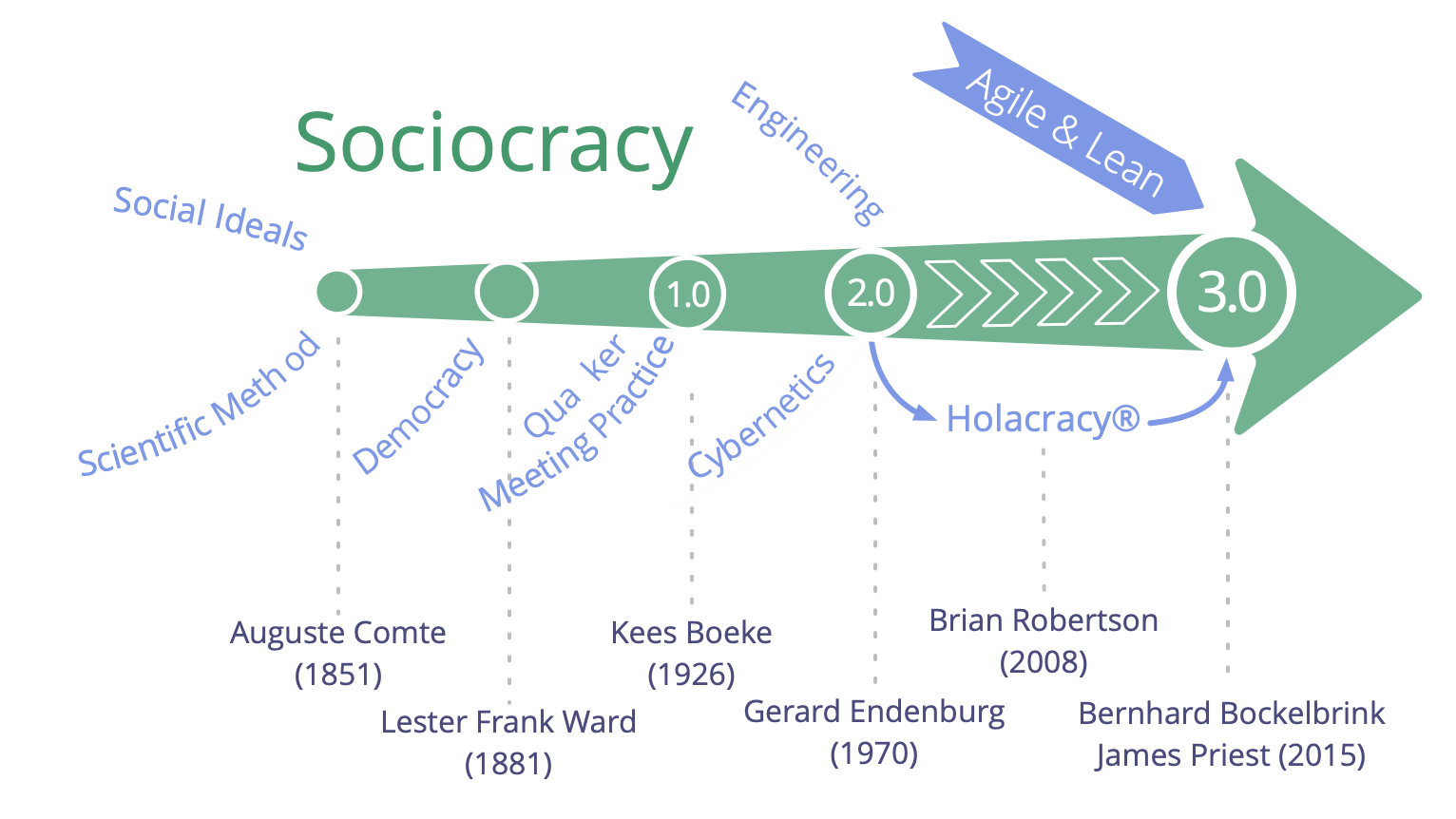
Summary:
Summary:
Sociocracy is a system of governance that uses consent and feedback loops to create democratic and effective organizations.
Sociocracy = sociology + democracy
Sociocracy is a system of governance that aims to create a more democratic and effective organization. It is based on the principle of consent, which means that decisions are made by those who are affected by them, and that no one can be ignored or overruled. Sociocracy also uses feedback loops, circles, and double-linking to ensure that information flows freely and that everyone has a voice and a role in the organization.
Here are some of the main features of sociocracy:
- Consent: is the basis for decision-making in sociocracy. It means that everyone who is affected by a decision has to agree to it, or at least not have a reasoned objection. Consent does not mean consensus or unanimity, but rather a willingness to move forward with a proposal that is good enough for now and safe enough to try. Consent allows for diversity of perspectives and avoids domination by majority or minority.
- Feedback loops: loops are mechanisms that enable exploreing and improvement in sociocracy. They involve measuring the results of actions and comparing them with the expectations and goals. Feedback loops help to identify problems, celebrate successes, and adjust plans accordingly. Feedback loops can be applied at different levels of the organization, from individual performance reviews to strategic planning.
- Circles: are the basic units of organization in sociocracy. They are groups of people who share a common aim and work together to achieve it. Circles have autonomy and authority to make decisions within their domain, as long as they do not affect other circles or the overall purpose of the organization. Circles also have accountability and responsibility to report on their activities and outcomes to other circles.
- Double-linking: Double-linking is a way of connecting circles in sociocracy. It means that every circle has at least two representatives who participate in the next higher circle. One representative is the leader of the lower circle, who communicates the vision and direction of the higher circle. The other representative is a delegate chosen by the lower circle, who communicates the needs and concerns of the lower circle. Double-linking ensures that information and influence flow both ways between circles, and that no circle is isolated or subordinate.
Sociocracy is a flexible and adaptable system that can be applied to any type of organization, from businesses to schools to communities. It can help to create a culture of collaboration, innovation, and empowerment, where everyone can contribute and benefit from the collective wisdom and intelligence of the group.